

Myopia Management in Huntsville
Is your child struggling to see the board at school or holding books and tablets unusually close to their face? They may have myopia, or nearsightedness — a common vision condition that is becoming more prevalent in children. If current trends continue, half of the world’s population will be nearsighted by 2050, with up to one-fifth at increased risk of vision-threatening complications from severe myopia.¹
For busy parents, it can be hard to know when a changing prescription is simply part of growing up and when it is time for more specialized care. We make that next step clear. Our personalized myopia management plans are designed around your child’s vision, comfort, school routine, and activities, with evidence-based options that can help slow progression and protect their long-term eye health. Our experienced eye doctors will walk you through the options and help you choose a plan that works for your family.
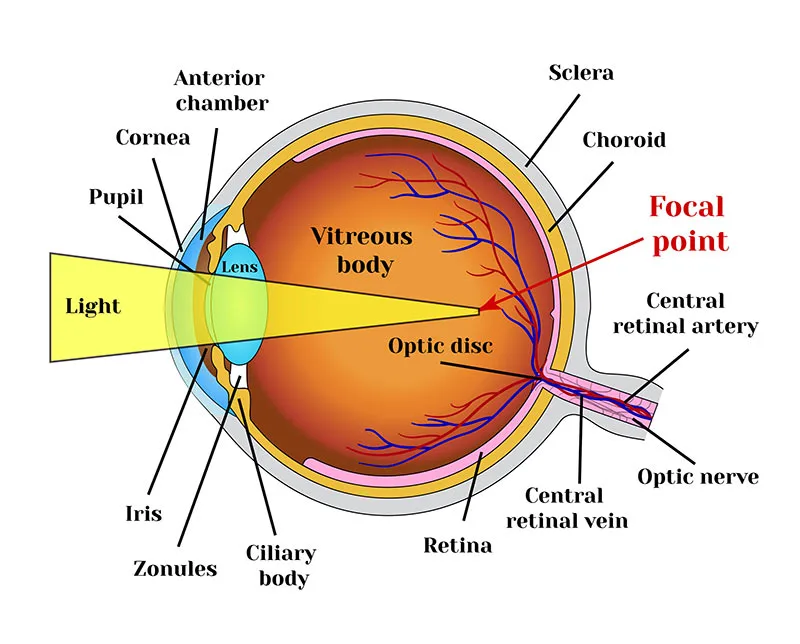
What is myopia?
Myopia happens when distant objects appear blurry while up-close vision stays clear. It occurs because the eye grows a little too long or the cornea is too curved, preventing light from focusing properly on the retina.
Myopia usually begins in childhood and can worsen as kids grow. Genetics plays a significant role in myopia development. However, recent research shows that lifestyle factors—like increased screen time, limited outdoor activity, and prolonged near work—can also contribute to how quickly nearsightedness progresses.²
Why early myopia control matters
High levels of myopia aren’t just about needing stronger glasses. They can increase the risk of serious eye conditions later in life, including retinal detachment, glaucoma, and myopic maculopathy. Even if your child sees clearly with glasses or contact lenses, these risks remain.
By addressing myopia early during regular pediatric eye exams, we can help slow its progression and reduce the likelihood of future complications. Protecting your child’s eyes now can have a lasting impact on their vision and eye health.
How we manage myopia progression
At 20/20 Eye Care, we offer several safe, evidence-based options to manage your child’s myopia:
MiSight® 1 day contact lenses
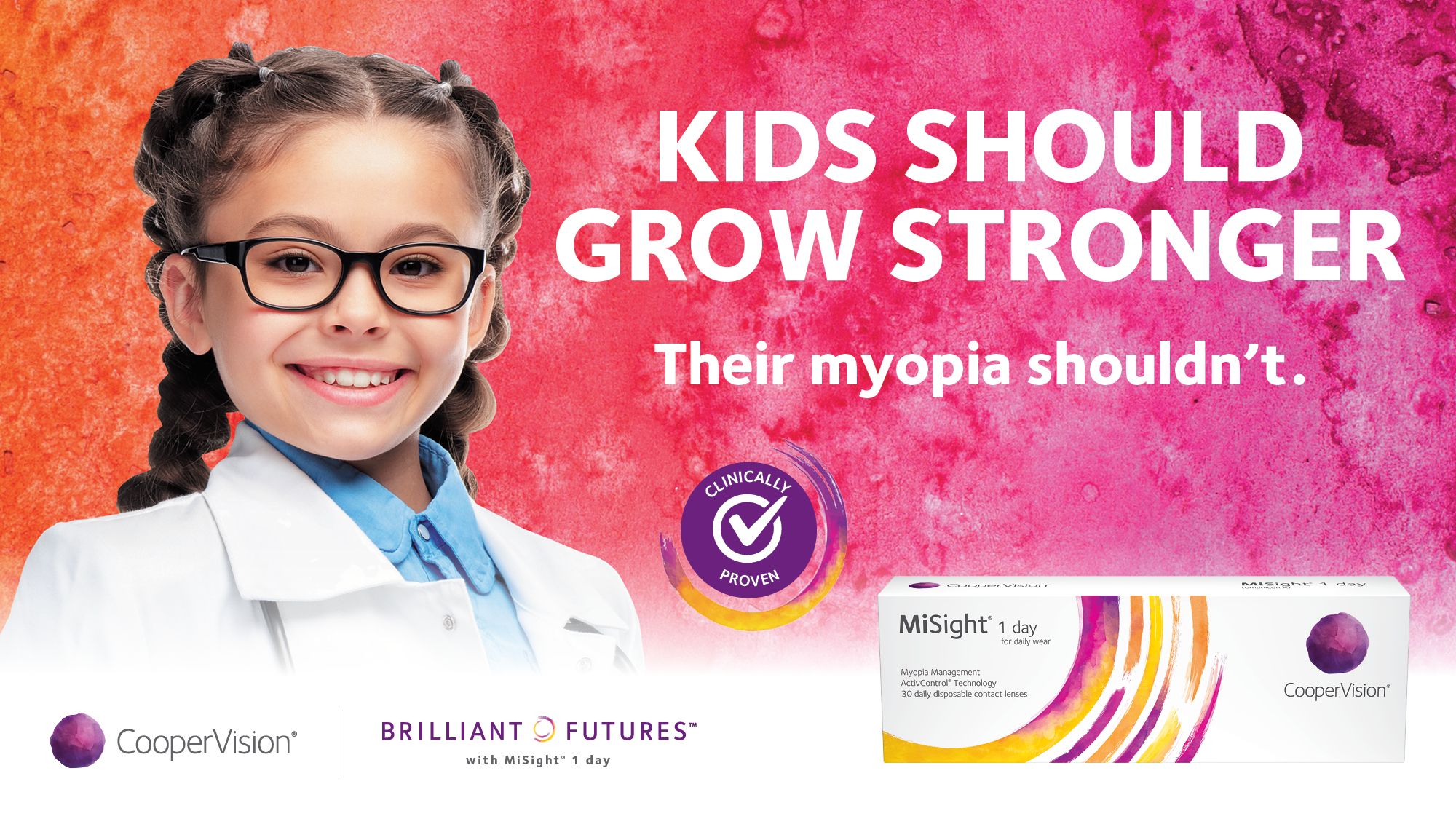
MiSight® 1-day lenses are the first and only FDA-approved soft contact lenses proven to slow myopia progression in children ages 8–12 at the start of treatment. These daily disposable lenses offer a dual benefit: they correct blurry distance vision and help slow the worsening of myopia over time.
Supported by the longest continuous soft contact lens study for myopia control, MiSight® 1 day slowed myopia progression by an average of 59% over three years.3 In that same research, 41% of children wearing MiSight® had no progression at all.
Stellest® lenses for pediatric myopia management
We’re proud to offer Essilor Stellest® lenses, the first FDA-authorized spectacle lenses proven to slow the progression of nearsightedness in children. In clinical studies, these lenses slowed myopia progression by an average of 71% over two years.4 Our experienced eye doctors will build a personalized plan to help ensure your child’s Stellest® lenses fit comfortably and support their everyday activities.
Stellest® spectacle lenses are often recommended for children ages 6–12 with myopia, with or without astigmatism. Your child may be a good candidate for Stellest® lenses if:
- They’ve been recently diagnosed with myopia
- Their prescription has been steadily increasing over time
- They’re too young for (or not ready to wear) contact lenses
Orthokeratology (Ortho-K)
Orthokeratology, often called ortho-k, uses custom-designed contact lenses worn overnight to gently reshape the cornea while your child sleeps. Studies show ortho-k can slow myopia progression by 36%–50% compared with standard glasses or regular contact lenses.5
In the morning, the lenses are removed, allowing clear vision throughout the day—often without glasses or daytime contacts. In addition to correcting vision, ortho-k helps manage myopia progression by changing the way light focuses on the retina.
Low-dose atropine eye drops
Applied once daily, typically at bedtime, these prescription eye drops are a proven way to slow myopia progression. Side effects are usually mild and may include slight light sensitivity or temporary blurred near vision.
Take action to protect your child’s vision
Watching your child struggle with their eyesight can be stressful, but you don’t have to face it alone. At 20/20 Eye Care, we’ll work with you and your child to create a plan that fits their needs and lifestyle.
Schedule an appointment today to see if myopia management in Huntsville is right for your child.
Myopia Management FAQs
How is myopia different from simply needing glasses?
Glasses correct the blurry distance vision caused by myopia, but they do not slow the eye’s growth or keep the prescription from getting stronger. Myopia management uses treatments designed to help slow progression during childhood, when prescriptions often change most quickly.
Will my child still need glasses with low-dose atropine eye drops?
Usually, yes. Low-dose atropine does not correct blurry distance vision on its own. Your child may still wear glasses or contact lenses for clear vision while using the drops as part of their myopia management plan.
Can my child play sports without glasses during myopia treatment?
Potentially. Ortho-k lenses are worn overnight to reshape the cornea while your child sleeps. This can provide clear daytime vision without glasses or daytime contact lenses, which may be especially convenient for active children.
Eye care and eyewear that fit your life and budget
Your eye care should feel simple, personal, and worth your time. Whether you need help managing a vision concern, updating your prescription, or choosing frames that feel polished at work and comfortable everywhere else, our team makes it easy to find care and eyewear that suit your needs.
Explore a broad selection of glasses, sunglasses, and contact lenses for adults and kids, with expert guidance to help you choose confidently. We accept VSP vision insurance and many medical insurance plans, and offer in-house membership plans, optical packages, and CareCredit to give you flexible ways to manage out-of-pocket costs.


